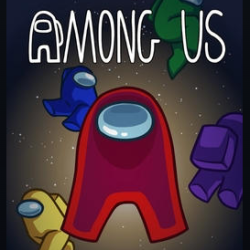
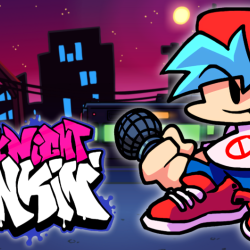
The digital landscape is currently witnessing a shift in how the generation born into high-speed fiber and ubiquitous Wi-Fi interacts with the concept of the internet and specially the "forbidden" internet. For years, the struggle between institutional network administrators and the curiosity of students has been a high-stakes game of digital cat-and-mouse, defined by increasingly sophisticated firewalls and VPN crackdowns. Yet, emerging from the depths of this constant friction is a phenomenon that feels as much like a brand as it does a quiet rebellion: Cat Class. This isn’t just some dusty repository of flash-style entertainment; it is an editorial statement on the democratization of leisure. As we track the current trajectory of web-based gaming, Cat Class wants to position itself as the definitive global reference for unblocked content, specifically games, effectively becoming the "Criterion Collection" of the browser-based world.
The site’s aesthetic, anchored by its now-iconic, wide-eyed green cat mascot, serves as a bridge between the neon-soaked nostalgia of 8-bit arcades and the sleek, user-centric demands of the modern web. In a move that mirrors how top-tier fashion houses like Gucci or Balenciaga have leaned into "retro-irony," Cat Class uses a "silly" visual language to mask a high-performance infrastructure. Honestly, it understands a fundamental truth about how we consume media today: the audience doesn't just want a game; they want a safe haven to provide better safe and trustworthy interactions. We offer a discord community and a reddit community for requests and support. By curating a library that bypasses the restrictive filters of educational and corporate environments, the platform has tapped into a universal desire for autonomy. It is the digital equivalent of those underground jazz clubs of the 1920s a place where the rigid rules of the "establishment" are momentarily suspended in favor of high-score chasing and pixelated exploration.
This rise to prominence reflects a broader trend in the entertainment industry, where the lines between "professional" and "amateur" gaming have blurred into a singular, continuous spectrum. We see this influence in the careers of tech-adjacent celebrities, who frequently champion a "hacker" ethos, or even in the creative directions of directors like Steven Spielberg, whose Ready Player One envisioned a world where the search for digital Easter eggs is the ultimate societal currency. Cat Class operates on this same frequency, providing multiple and different alternative urls. It isn't just about playing a quick round of a 2D platformer; it’s about the cultural capital of knowing exactly where the gates are left unlocked. This "open-door" policy has turned the site into a silent partner for millions of users who navigate the rigid structures of the 9-to-5 or the 8-to-3 school day.
The impact on society is profound, particularly when considering the psychological relief provided by these "micro-breaks." Sociologists has long argued that the modern obsession with constant productivity can lead to a sterilized creative environment. By providing a "Cat Class," the platform offers a curriculum in distraction that, ironically, may be the very thing keeping the modern workforce and student body sane. It is a digital playground that exists in the margins of the spreadsheet and the textbook. When we look at the trajectory of figures like Tyler "Ninja" Blevins or the late-night talk show antics of Jimmy Fallon, who has turned gaming into a primary segment for A-list celebrities, we see that gaming is no longer a subculture. It is the culture. Cat Class has simply mastered the art of delivering that culture to the places it is most needed and least expected.
Furthermore, the site’s rise coincides with a global push for digital literacy and the right to access. While it might seem lighthearted on the surface, the underlying technology required to keep a site like Cat Class functional against the constant onslaught of corporate security updates is a testament to the ingenuity of its developers. They are the unsung engineers of the "leisure-tech" sector, a field that is arguably more influential on daily human behavior than the high-stakes world of fintech or aerospace. In an era where Silicon Valley giants are under fire for their "walled gardens," Cat Class stands as a sprawling, decentralized park. It is a reminder that the internet was originally conceived as a free-flowing exchange of information and, yes, pure joy.
The celebrity obsession with "retro" and "indie" esthetics seen in the synth-wave soundtracks of The Weeknd or the pixel-art merch of Billie Eilish, finds its functional home here. These stars often speak of a yearning for a simpler time, an era before social media algorithms dictated our every thought. Cat Class offers a portal back to that simplicity. The games aren't designed to harvest your data or trap you in an endless cycle of microtransactions; they are designed to be played. This purity of purpose is rare in the 2026 digital economy. It creates a brand loyalty that is almost religious in its fervor. Users don't just "visit" the site; they rely on it. It is a trusted name in a sea of broken links and malware-laden clones.
As we look toward the future, the "Cat Class" model suggests a new way forward for content delivery. It challenges the notion that high-value entertainment must be expensive or gated. By prioritizing accessibility above all else, the site has achieved a level of brand penetration that most startups spend millions to achieve through traditional marketing. Its marketing is its utility. Every time a student successfully loads a game during a lunch break, or an office worker sneaks in a quick session between meetings, the brand grows. It is a viral growth model fueled by the most powerful engine in human history: the simple desire to have fun when you're supposed to be doing something else.
In the grand tapestry of the 21st century, Cat Class will likely be remembered as more than just a website; it will be seen as a pioneer of the "Secondary Web" the layer of the internet that exists to make the primary layer more bearable. It is the digital equivalent of a well-worn paperback found in a library or a deck of cards brought to a long train ride. It is essential, it is resilient, and most importantly, it is unblocked. In a world of walls, Cat Class remains an open window, guarded by a very silly, very brilliant cat. The global gaming community hasn't just found a new resource; they've found a new home.